Why most Студия звукозаписи projects fail (and how yours won't)
Your Recording Studio Project Is Probably Doomed (Here's Why)
Last month, I watched another recording studio project crash and burn. The owner had dumped $75,000 into gear, signed a three-year lease, and lasted exactly seven months before shuttering the doors. Sound familiar?
Here's the brutal truth: roughly 60% of new recording studios fail within their first two years. That's not because the owners lack passion or talent. It's because they make the same predictable mistakes that sink studios faster than a lead weight in a swimming pool.
The Real Reasons Recording Studios Tank
Most studio failures boil down to three core problems that feed off each other like a death spiral.
The Gear Obsession Trap
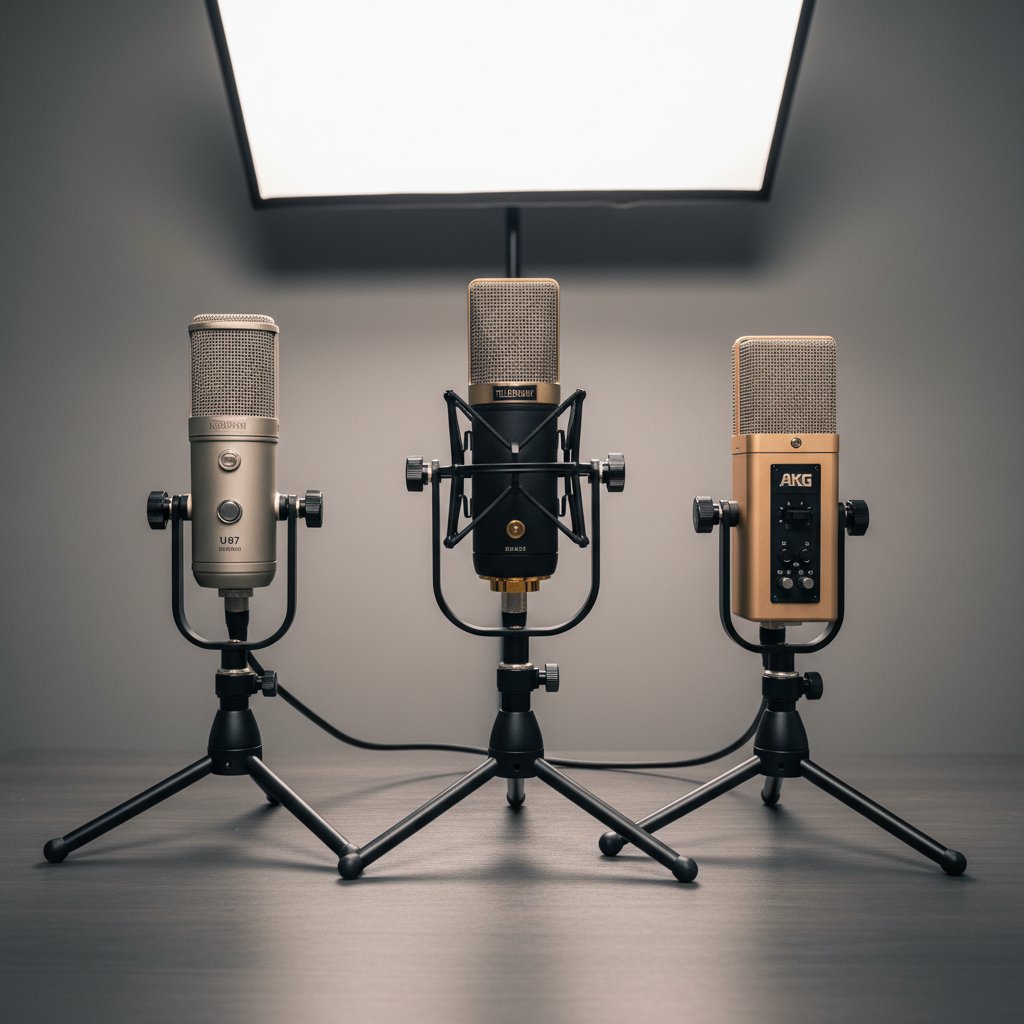
Walk into any failing studio and you'll spot it immediately: $30,000 worth of pristine microphones collecting dust while the owner scrambles to book $50 sessions. I've seen producers drop $15,000 on a vintage Neve preamp before they've landed their tenth client. That's like buying a Ferrari to deliver pizzas.
The math doesn't work. If you're charging $60 per hour and booked 20 hours a month (optimistic for a new studio), you're pulling in $1,200. Your rent alone probably eats half of that.
The "Build It and They'll Come" Delusion
Zero marketing budget. No social media presence. A website that looks like it time-traveled from 2008. Then shock and confusion when the phone doesn't ring.
One studio owner told me he expected word-of-mouth to handle everything. Six months in, he'd recorded his cousin's band and two of his own projects. That's it.
Pricing Like You're Running a Charity
Charging $40 an hour because you're "building your reputation" is a fast track to bankruptcy. You're not Costco—you can't make it up in volume. At that rate, you'd need to book 160 hours monthly just to cover basic expenses in most markets. That's over five hours every single day, including weekends.
Warning Signs You're Heading for Disaster
Catch these red flags early:
- Your equipment costs exceed six months of projected revenue
- You haven't validated demand with at least 10 paying clients before signing a lease
- You're spending more time researching compressors than talking to potential clients
- Your business plan is literally just "record great music"
- You have no financial runway—you need profit by month two or you're toast
How to Actually Build a Studio That Survives
Start With Clients, Not Gear
Flip the script entirely. Before you spend a dime on equipment, line up your first 15 clients. Record them in a treated bedroom with a $500 interface and a couple of SM57s. Seriously.
This approach does two things: it validates there's actual demand, and it generates cash you can reinvest smartly. One engineer I know made $8,000 from bedroom recordings before upgrading to a proper space. That $8,000 paid his first three months of rent.
The 30% Rule for Equipment
Never let your gear investment exceed 30% of your annual revenue projection. Planning to make $50,000 in year one? Your equipment budget is $15,000 maximum. That forces you to be strategic instead of aspirational.
Buy workhorses, not showpieces. An SM7B will serve you better than a $3,000 tube mic that only works on one vocalist in ten.
Specialize or Die
Trying to be everything to everyone means you're nothing to anyone. Pick a lane: podcast production for local businesses, metal bands, hip-hop artists, audiobook narration. Whatever. Just pick one and own it.
A studio in Nashville pivoted to focus exclusively on country demo production. Within eight months, they became the go-to spot for songwriters pitching to publishers. Their booking rate jumped from 35% to 87%.
Price for Profit, Not Fear
Calculate your actual costs: rent, utilities, insurance, equipment depreciation, your own salary. Now add 40% margin. That's your minimum rate. If the market won't bear it, you need a different business model or location.
One studio raised rates from $50 to $85 per hour and lost exactly three clients—all problem clients who haggled constantly. Revenue jumped 52% with fewer headaches.
Staying Alive Long-Term
Build a financial cushion before you need it. Aim for six months of operating expenses in the bank. Every time you have a good month, sock away 25% of profit.
Diversify income streams. Mixing services, online production courses, sample pack creation, remote session work—multiple revenue sources mean one slow month won't sink you.
Track metrics obsessively. Booking percentage, average session value, client acquisition cost, retention rate. What gets measured gets managed.
The studios that make it aren't the ones with the fanciest gear or the best location. They're the ones that treat recording as a business first and a passion second. Counter-intuitive? Maybe. But your landlord doesn't accept passion as payment.