Студия звукозаписи in 2024: what's changed and what works
Recording studios have transformed dramatically over the past year. The gear has gotten smarter, the workflows more efficient, and client expectations? They've shifted in ways nobody predicted. If you're running a recording space or thinking about booking one, here's what actually matters in 2024.
1. Hybrid Sessions Are the New Normal
Remote recording exploded during the pandemic, but it didn't disappear when studios reopened. Instead, we've landed in this sweet spot where about 40% of sessions now blend in-person and remote elements. A vocalist might track in your studio while the producer dials in from their home setup across the country.
The tech enabling this has matured fast. Source-Connect and SessionWire now offer near-zero latency connections that actually work reliably. Studios that invested in fiber internet and proper monitoring chains for remote collaboration are booking 30% more sessions than those stuck in the "you must be here" mindset. The gear investment runs around $2,000-$5,000, but it opens your calendar to clients who'd never make the trip.
2. Dolby Atmos Mixing Isn't Optional Anymore
Spatial audio went from "nice to have" to "deal breaker" faster than anyone expected. Apple Music pays roughly 10% more per stream for Atmos content, and Spotify's rolling out their spatial audio platform globally. Artists notice these numbers.
Here's the thing: you don't need a $200,000 speaker setup to deliver quality Atmos mixes. Studios are getting excellent results with the Avid MTRX system paired with headphone monitoring workflows that cost under $15,000 total. The learning curve is real—expect 2-3 months before your mixes stop sounding like tech demos—but clients actively search for "Atmos mixing near me" now. That search volume tripled between 2023 and 2024.
3. AI Tools Are Mixing Assistants, Not Replacements
iZotope's AI-powered mixing assistants and similar tools have gotten scary good at the boring stuff. Vocal tuning that used to eat 45 minutes now takes eight. Drum replacement happens in real-time. But studios that lean too hard on automation are losing the plot.
The successful approach? Use AI for the tedious groundwork, then apply actual human taste. A Nashville studio I spoke with cut their mixing time by 35% using automated stem balancing as a starting point, then spending saved hours on creative processing and arrangement tweaks. Their client retention jumped because sessions felt more collaborative and less like watching someone click tiny faders for six hours.
4. Shorter Sessions, Higher Rates
The eight-hour block booking is dying. Artists book 2-4 hour sessions now, often multiple times per week instead of marathon weekend camps. Attention spans are shorter, and creative energy peaks differently when you're not trying to nail 12 songs in three days.
Smart studios adjusted their pricing to match. Instead of $600 for eight hours, they're charging $200-$250 for two-hour blocks. The math works: four two-hour sessions per day at $225 each nets $900 versus $600 for that old eight-hour rate. Plus, you're serving more clients and building a wider network. Some studios report their effective hourly rate increased by 50% just by restructuring how they sell time.
5. Acoustic Treatment Got Modular
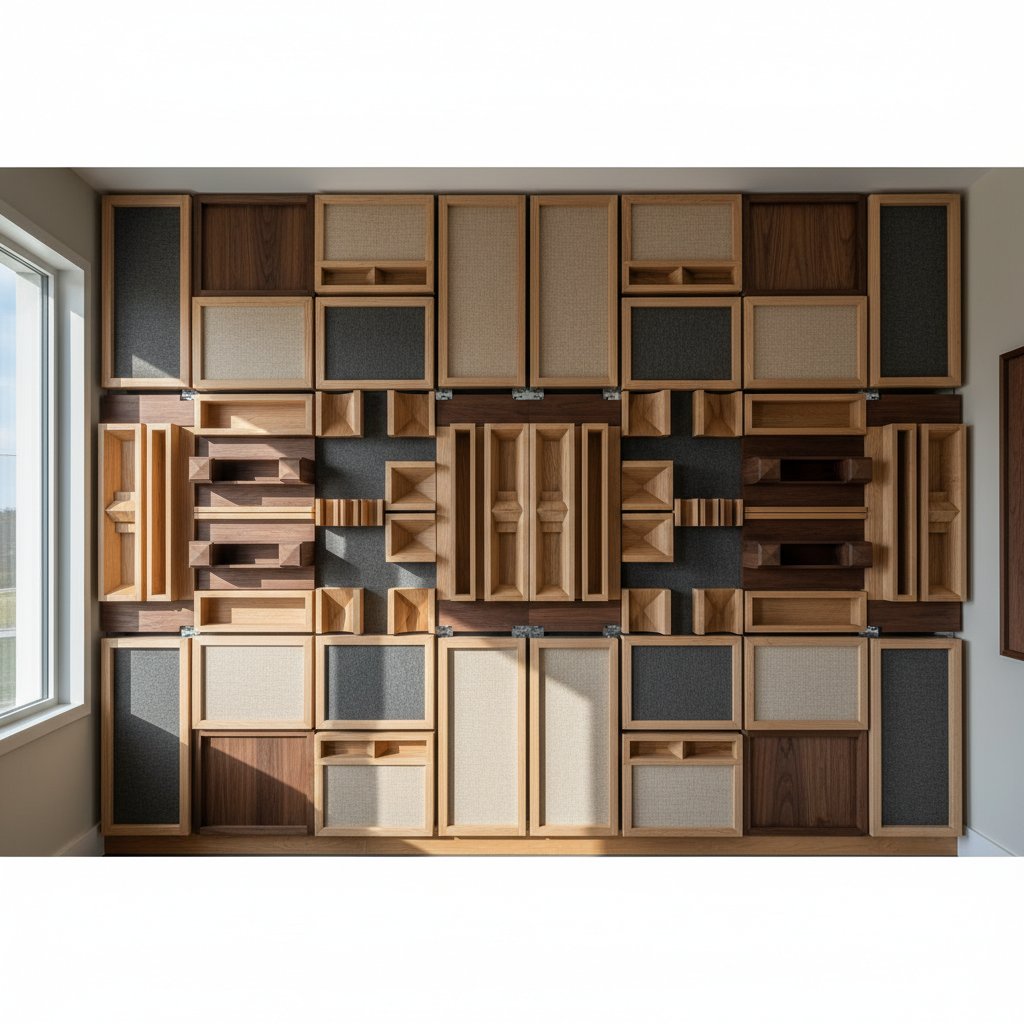
Those permanent bass traps and foam panels? They're being ripped out for modular acoustic systems that adapt to different recording needs. GIK Acoustics and Vicoustic now offer panels that move on track systems, letting you reconfigure room response in under 10 minutes.
This flexibility matters because project variety increased. One day you're recording a podcast that needs controlled deadness. The next, a jazz quartet wants natural room bloom. Studios with adaptable acoustics book both types of work instead of turning away half their inquiries. The modular systems cost 20-40% more upfront but the booking calendar tells the real story.
6. Vintage Gear Prices Finally Stabilized
After years of insane price inflation—remember when LA-2As hit $8,000?—the vintage market cooled off. Prices dropped roughly 25% across classic compressors and preamps through 2024. Meanwhile, modern recreations from Warm Audio and Chandler Limited closed the gap so much that blind tests are embarrassing for vintage purists.
Studios are pivoting their gear investment strategies. Instead of one $6,000 vintage Neve preamp, they're buying three $1,200 modern equivalents and offering more simultaneous tracking channels. Clients care more about getting their full band tracked live than which specific circuit is coloring the sound.
The recording studio landscape keeps evolving, but the core mission hasn't budged: capture performances that connect with listeners. The tools changed. The delivery formats expanded. The business model flexed. But studios that focus on serving artists rather than worshipping gear or clinging to "how we've always done it" are booked solid and raising rates. That part hasn't changed at all.